Material Testing Lab Accuracy: Unmatched Accuracy for Rigorous Material Examination
Wiki Article
Exploring the Globe of Products: Study at a Product Screening Research Laboratory
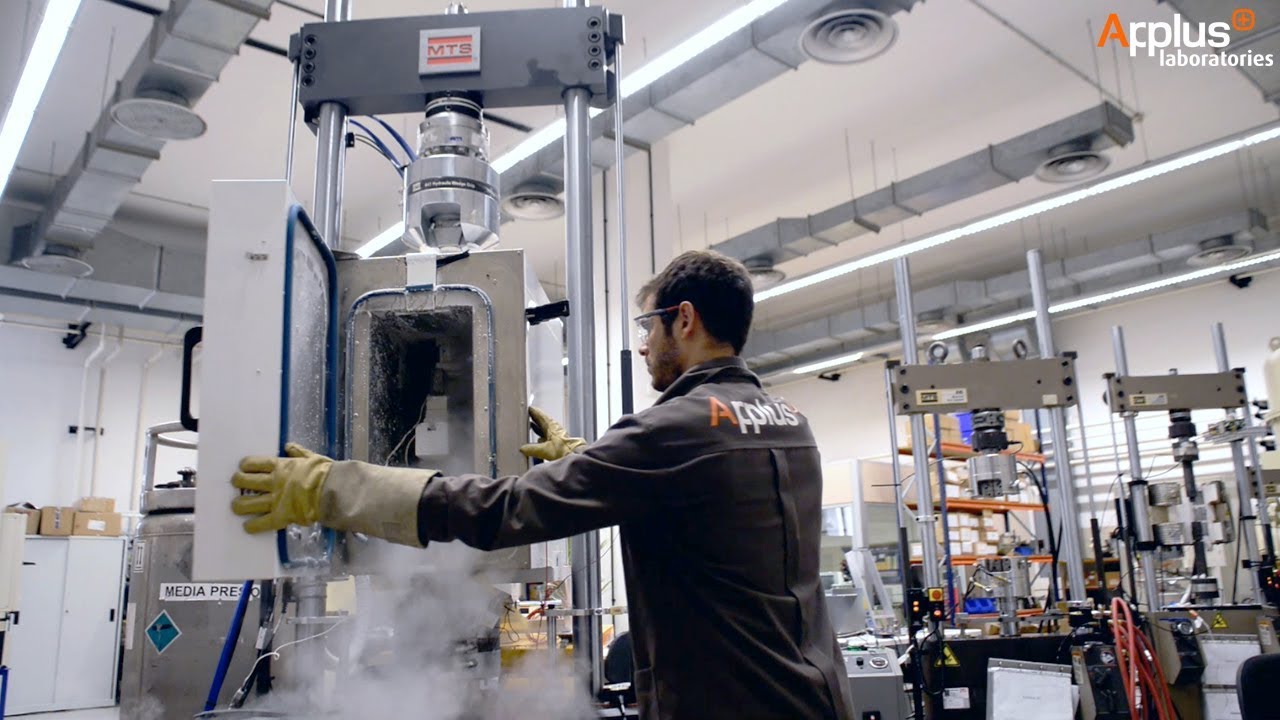
Are you curious regarding the interesting world of materials and the groundbreaking study happening at material testing labs? In spite of what you may believe, this field is not just for scientists in white laboratory layers. Exploring the globe of materials can be a mind-blowing and exciting experience for any individual interested in recognizing how everyday items are made and just how they do. At a product testing lab, scientists make use of advanced strategies to investigate the properties and habits of different materials, such as steels, compounds, and polymers. This research study plays an essential role in guaranteeing the safety and reliability of items in sectors varying from aerospace to automotive. Join us as we dive right into the unbelievable explorations, applications, and future developments in the field of materials research.Kinds Of Products Studied
At a product screening lab, you will study a wide variety of materials for various functions. From alloys and steels to polymers and composites, the sorts of materials checked out are varied and appealing. These products are very carefully analyzed and checked to identify their properties, performance, and suitability for particular applications.Metals and alloys are commonly researched in material testing labs due to their extensive usage in industries such as building and construction, vehicle, and aerospace. Scientists and designers analyze their toughness, deterioration, and strength resistance, among other elements, to make certain that they satisfy safety and security and quality standards.
Polymers, including plastics and rubber, are an additional substantial category of materials explored in these research laboratories. Their chemical make-up, mechanical residential or commercial properties, and thermal actions are investigated to boost their performance in different applications such as product packaging, medical gadgets, and electronic devices.
Compounds, which are made by incorporating different products, are likewise thoroughly researched at product screening labs. These materials provide unique residential properties and characteristics, making them suitable for applications that call for both strength and light-weight layout, such as in the aerospace and sports sectors.
Cutting-Edge Study Techniques
To look into the world of sophisticated research strategies, product screening laboratories use innovative approaches to examine and examine the buildings of numerous materials. These innovative methods allow researchers to get a deeper understanding of the products' qualities and habits, leading the way for the growth of brand-new and enhanced products.One such strategy is electron microscopy, which makes use of a beam of light of electrons to create high-resolution pictures of materials at the atomic level. This enables researchers to examine the microstructure of products, determine defects, and identify their chemical make-up.
An additional cutting-edge technique is X-ray diffraction, which involves guiding X-rays onto a product and analyzing the resulting diffraction pattern - material testing lab. This method gives useful information about the crystal structure of products, enabling researchers to recognize stages, action crystallographic criteria, and examine changes in the material's structure because of external elements
Product screening labs additionally use spectroscopy techniques, such as infrared spectroscopy and Raman spectroscopy, to study the communication of products with electro-magnetic radiation. These techniques offer understandings into the molecular structure and chemical make-up of materials, assisting researchers to comprehend their useful homes.
Additionally, scanning probe microscopy techniques, including atomic force microscopy and scanning tunneling microscopy, allow scientists to picture and manipulate products at the nanoscale. These strategies allow scientists to research surface topography, measure mechanical homes, and even manipulate specific atoms.
Relevance of Product Testing
Comprehending the relevance of product screening is necessary for researchers in a product testing research laboratory. It enables you to assess and analyze the homes and efficiency of different products. By carrying out examinations, you can determine the suitability of products for particular applications, this link ensuring their safety and security and dependability.Material testing is important for top quality control. It assists you identify any flaws, weaknesses, or disparities in the materials, permitting you to make informed choices regarding their usage - material testing lab. This is especially important in sectors such as aerospace, auto, and building and construction, where the integrity of products straight impacts the security of structures and items
Moreover, material testing enables you to maximize the style and manufacturing processes. By examining different materials and their buildings, you can choose the most ideal ones for your certain application. This can lead to cost financial savings, enhanced performance, and improved product efficiency.
Applications in Different Industries
Product screening laboratories satisfy a wide variety of sectors, giving important insights and options for product applications. Whether it's the automotive sector, aerospace market, or building area, these laboratories play an important duty in making sure the top quality and integrity of products utilized in various applications.In the auto industry, product screening research laboratories aid suppliers make certain the longevity and read the article security of vehicle elements. From evaluating the toughness of engine components to evaluating the corrosion resistance of body panels, these research laboratories aid in the advancement and enhancement of automotive materials.
In the aerospace field, material testing laboratories add to the style and manufacturing of light-weight yet solid materials for aircraft and spacecraft. They test products for their capacity to hold up against extreme conditions such as heats and stress changes, making certain the security and effectiveness of aerospace applications.

In addition, product testing labs also accommodate industries such as electronics, energy, and medical tools, using insights on the efficiency, dependability, and security of materials made use of in these industries.
Future Developments and Explorations

Conclusion
As you end your expedition of the world of materials and the study carried out at a material testing research laboratory, you recognize the immense importance of this area. From researching different types of materials to making use of sophisticated research study methods, material testing plays a crucial duty in different industries. With continual improvements and future technologies, this area holds the potential for impressive discoveries that will certainly form the means we live and engage with materials in the future.Are you curious regarding the interesting globe of products and the groundbreaking study occurring at material screening laboratories? At a product testing research laboratory, researchers utilize cutting-edge techniques to examine the properties and habits of different materials, such as polymers, composites, and metals.At a material screening research laboratory, you will examine a vast range of materials for various objectives.Understanding the significance of product screening is important for researchers in a material screening research laboratory.As you conclude your exploration of the world of products and the research study performed at a product testing research laboratory, you recognize the immense importance of this area.
Report this wiki page